
rectal prolapse The phenomenon of the inner wall of the rectum in children protruding through the anal sphincter can occur for various reasons. In children, it most commonly occurs in children under 4 years of age, but it can also affect older children. Children with colorectal and pelvic malformations are at increased risk for rectal prolapse, as are children with chronic constipation or diarrhea and neurological conditions such as tethered spinal cord or spinal cord injuries.
Rectal prolapse often resolves on its own and can be treated medically. However, children with severe or recurrent rectal prolapse usually require further treatment in the form of: sclerotherapy or surgical correction.
“Sclerotherapy is an outpatient treatment and has a low complication rate, making it an attractive initial treatment option,” he says. Dr. Pratima Nandivadaa surgeon at Boston Children’s Hospital Colorectal and Pelvic Malformation Center. “However, some patients undergo multiple rounds of sclerotherapy with no improvement before undergoing surgical correction. This can delay symptom resolution and cause distress to families.”
Successful surgery for rectal prolapse
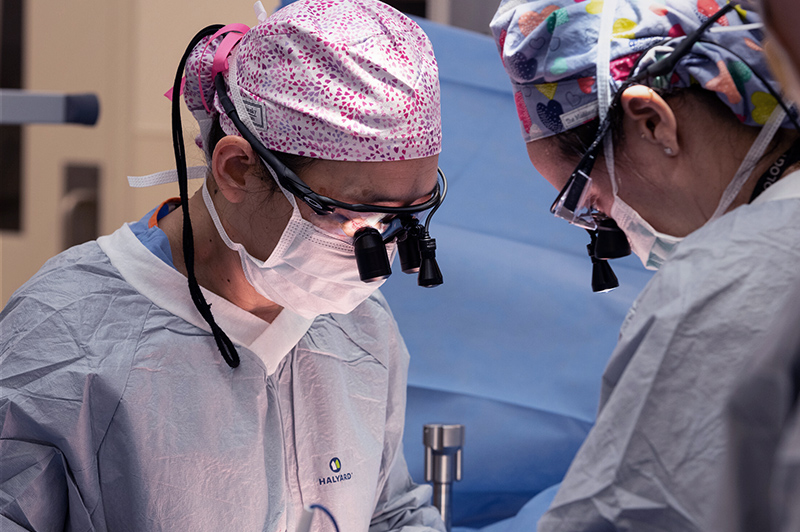
To learn more about the effectiveness of both approaches, Nadivada and colleagues reviewed the medical records of 67 children referred to the Center for Colorectal and Pelvic Malformations for treatment of rectal prolapse.
The research team compared medical management, sclerotherapy, and surgical correction (rectopexy or transanal resection) as initial treatment strategies, compared with 79% of patients who received surgery as initial treatment. They found that only 33% of patients were cured with sclerotherapy alone. Overall, when used as an initial management approach, surgery had a significantly higher success rate than sclerotherapy, even after adjusting for disease severity, psychiatric diagnosis, age, and other factors.
Practice points
Result is, Journal of Pediatric Gastroenterology and Nutrition — Helped inform the center’s approach to rectal prolapsesays Nandivada. Medication and pelvic floor physical therapy remain first-line treatments for most children with rectal prolapse, especially those younger than 5 years. However, for older children, especially adolescents, who continue to prolapse despite lifestyle modifications, pelvic floor therapy, and constipation management, the following may be necessary:
- We suggest sclerotherapy as the first-line treatment because of its low risk of complications.
- Inform your family that the cure rate with sclerotherapy is low (50 to 60 percent).
- If sclerotherapy does not significantly improve after a single injection, discuss surgical correction rather than continuing with multiple sclerotherapy sessions.
“We believe this rectal prolapse treatment algorithm will help minimize time to resolution and avoid unnecessary procedures,” she explains.
For more information, Colorectal and Pelvic Malformation Center.