
Consultation checklist
Record symptoms, medicines, allergies, reports and the questions you want to discuss.
Use these doctor-reviewed guides to prepare for a consultation, understand a planned admission and organise recovery at home. Your own surgeon's and hospital's instructions always take priority.
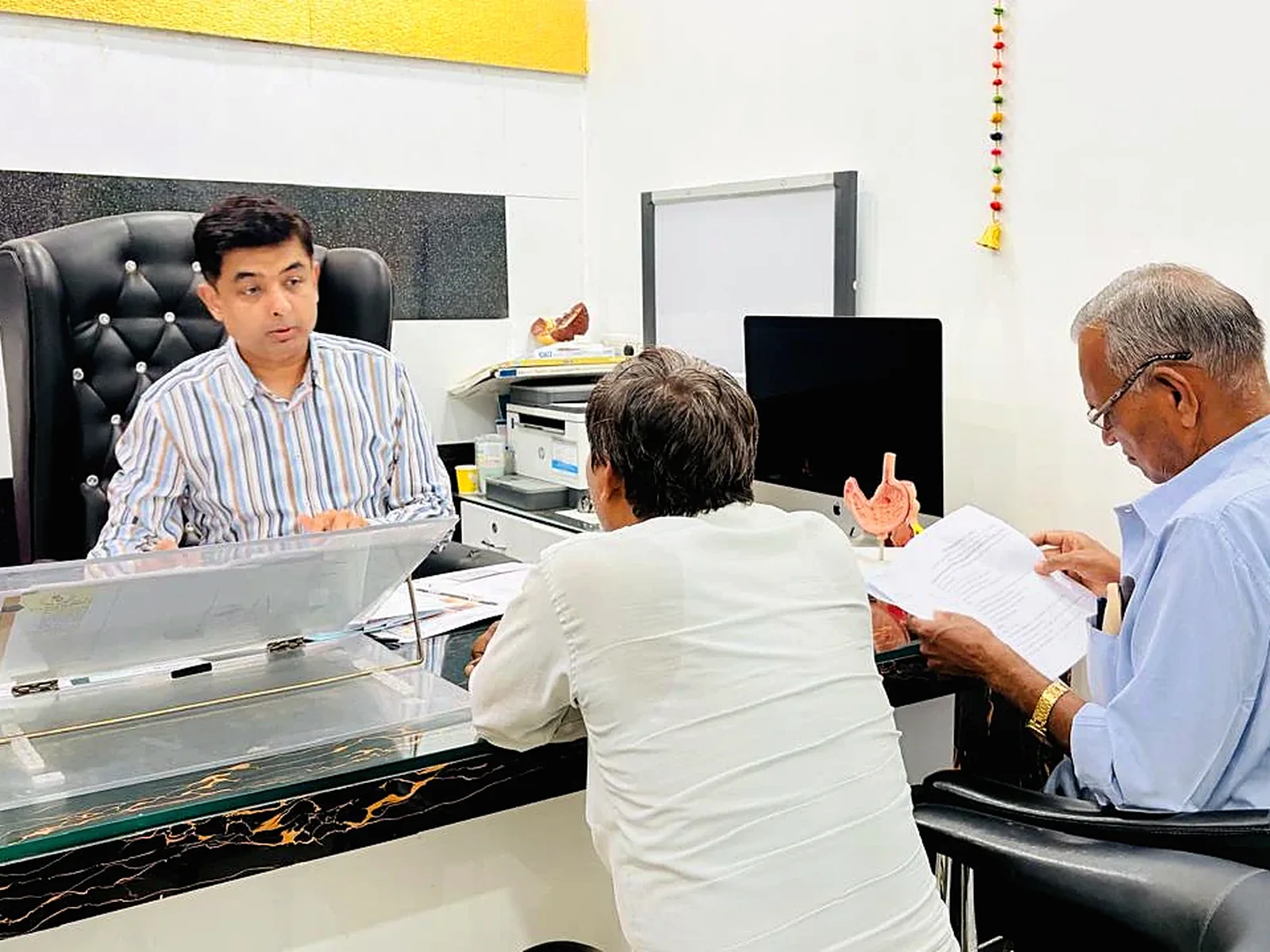
All nine topics open the relevant section of one complete guide, so related advice remains easy to find without creating thin or repetitive pages.
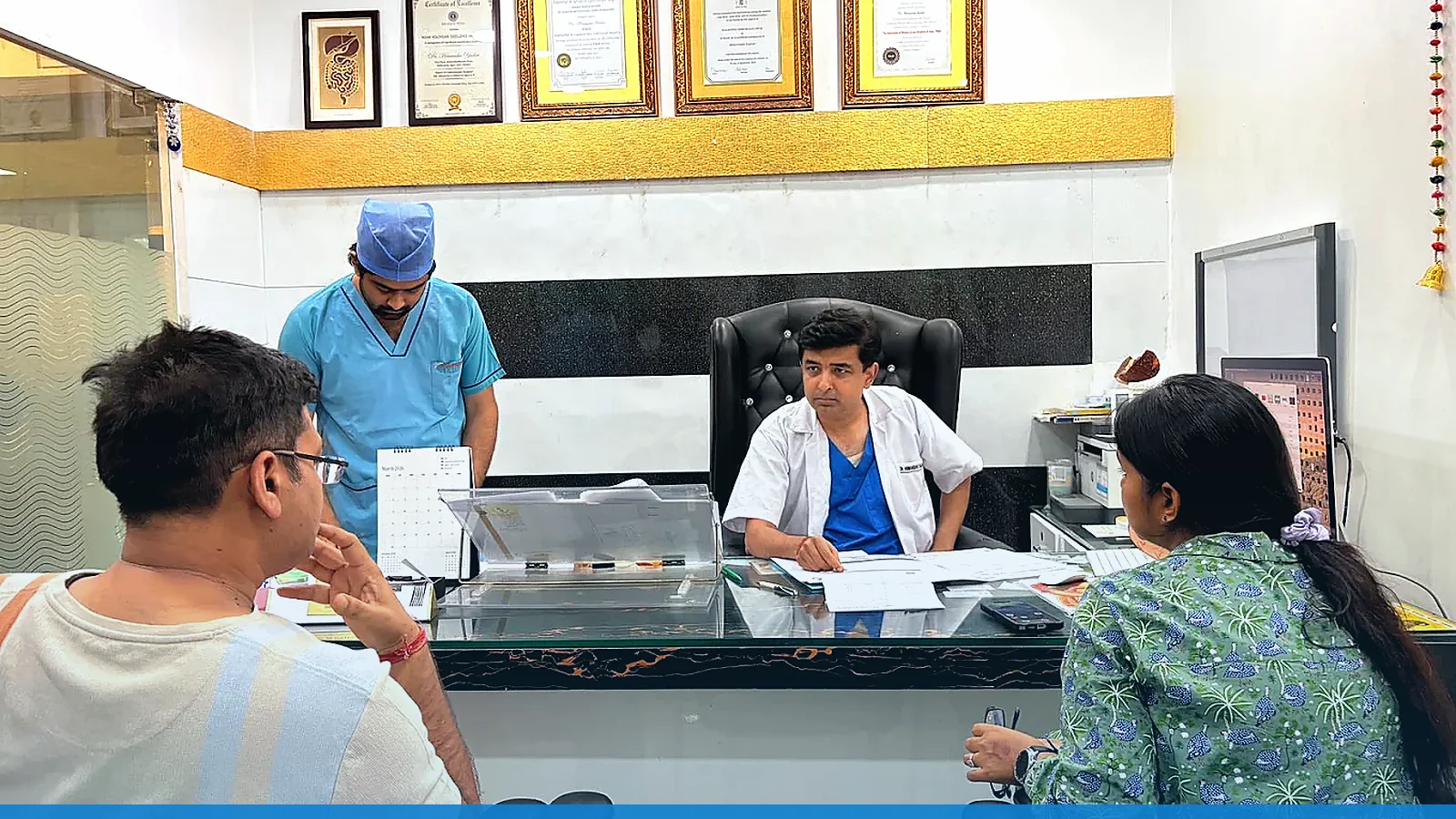
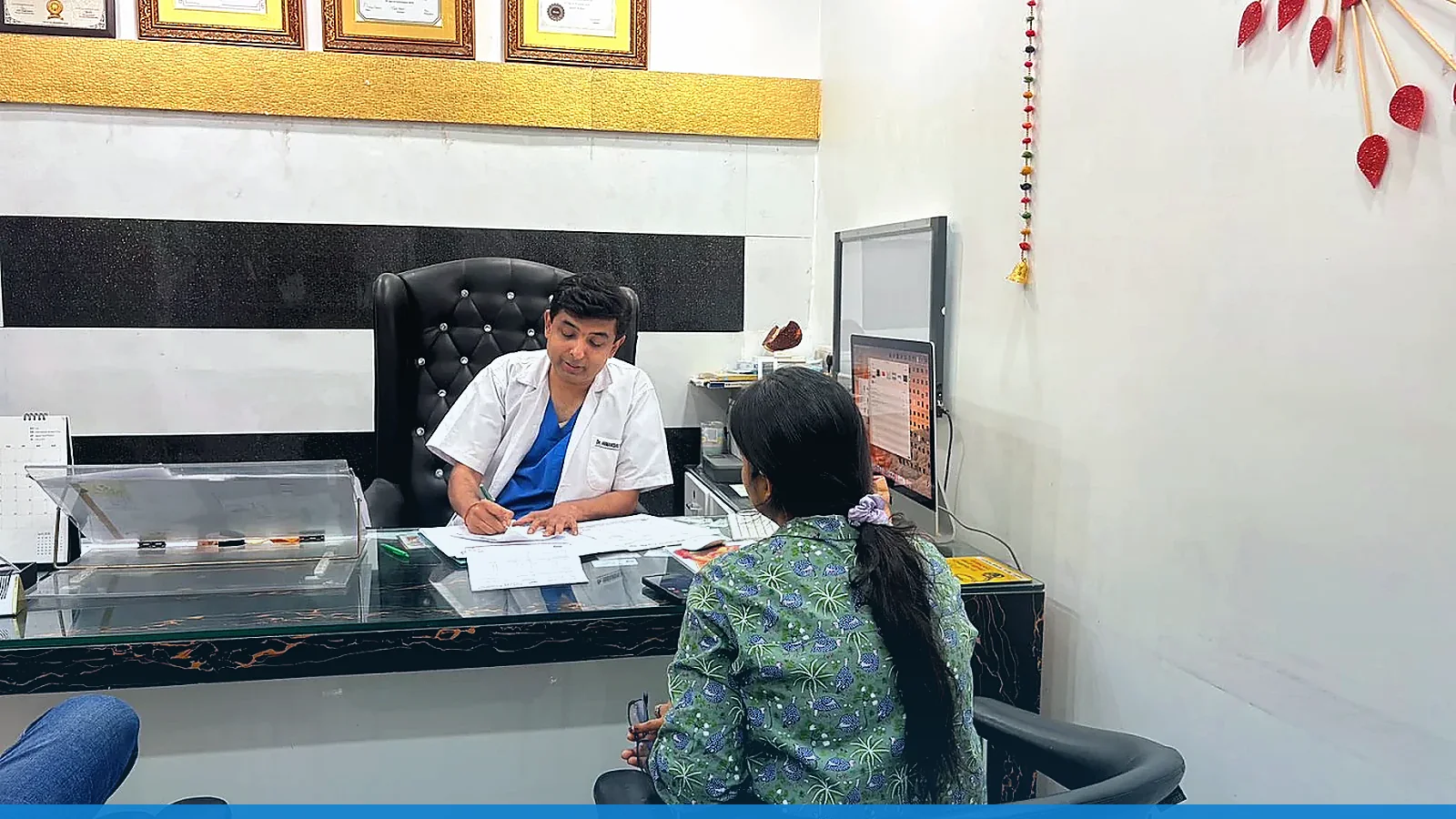
Organise symptoms, medicines, reports and the questions that matter to you.

Review consent, individual fasting instructions, medicines and home support.
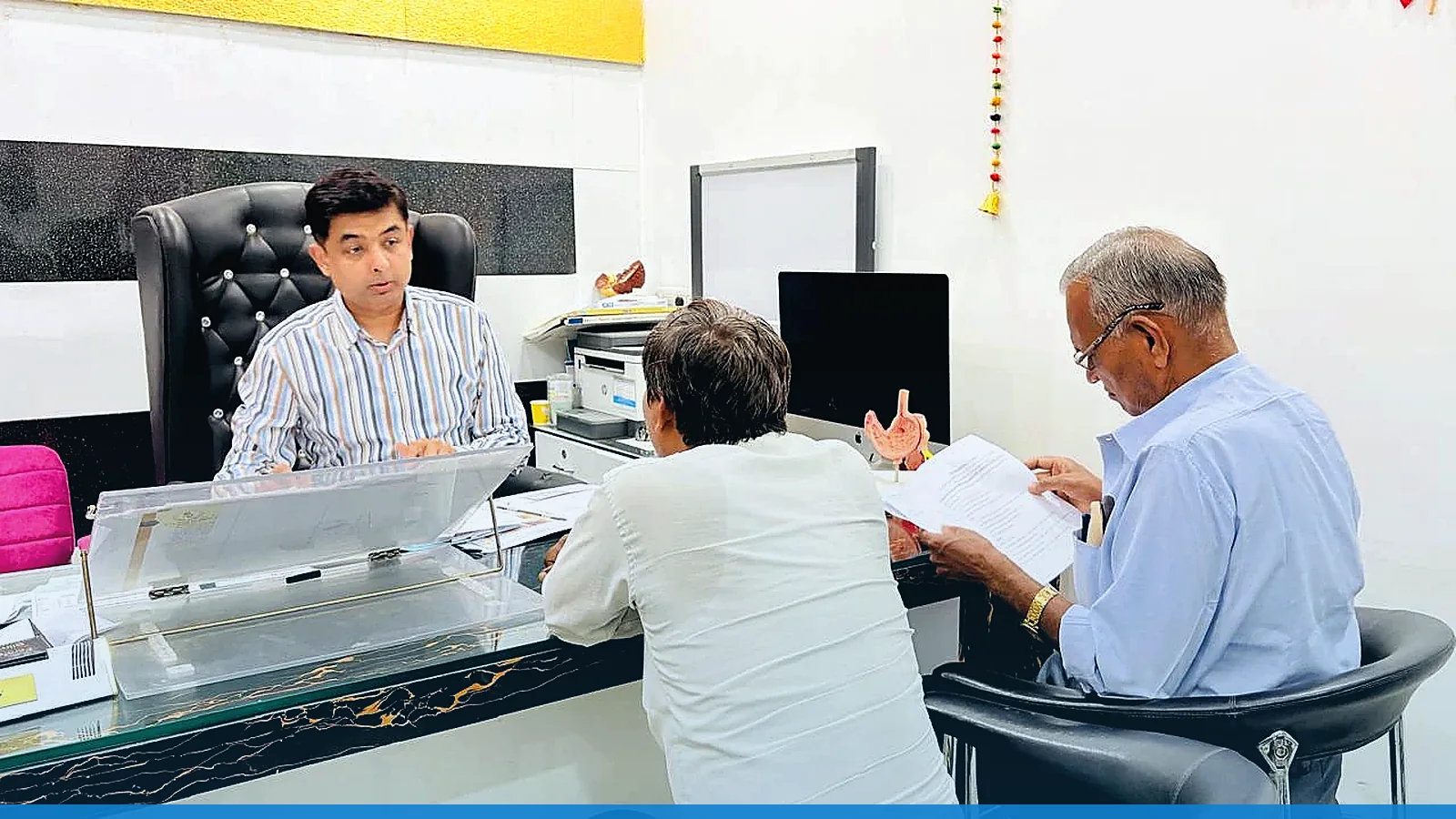
Know which existing records can help without arranging tests on your own.
Prepare documents, essentials, transport and discharge support for a planned stay.

Follow safe general principles while keeping procedure-specific discharge advice first.
Use a gradual, balanced approach adapted to your operation and health conditions.
Prepare progress notes and questions, and know when not to wait for the next visit.
Recognise warning signs that need emergency assessment rather than a routine message.
Move from general preparation advice to the relevant condition or surgery guide.
Preview each professionally formatted worksheet online, print it, or download the accessible PDF to complete before your visit.
Record symptoms, medicines, allergies, reports and the questions you want to discuss.
Capture the hospital's instructions for medicines, fasting, admission and support at home.
Track recovery and write down questions about pain, wounds, diet, activity and follow-up.
Each video loads through YouTube's privacy-enhanced player only after you press play. These videos provide general education and do not replace an individual assessment.

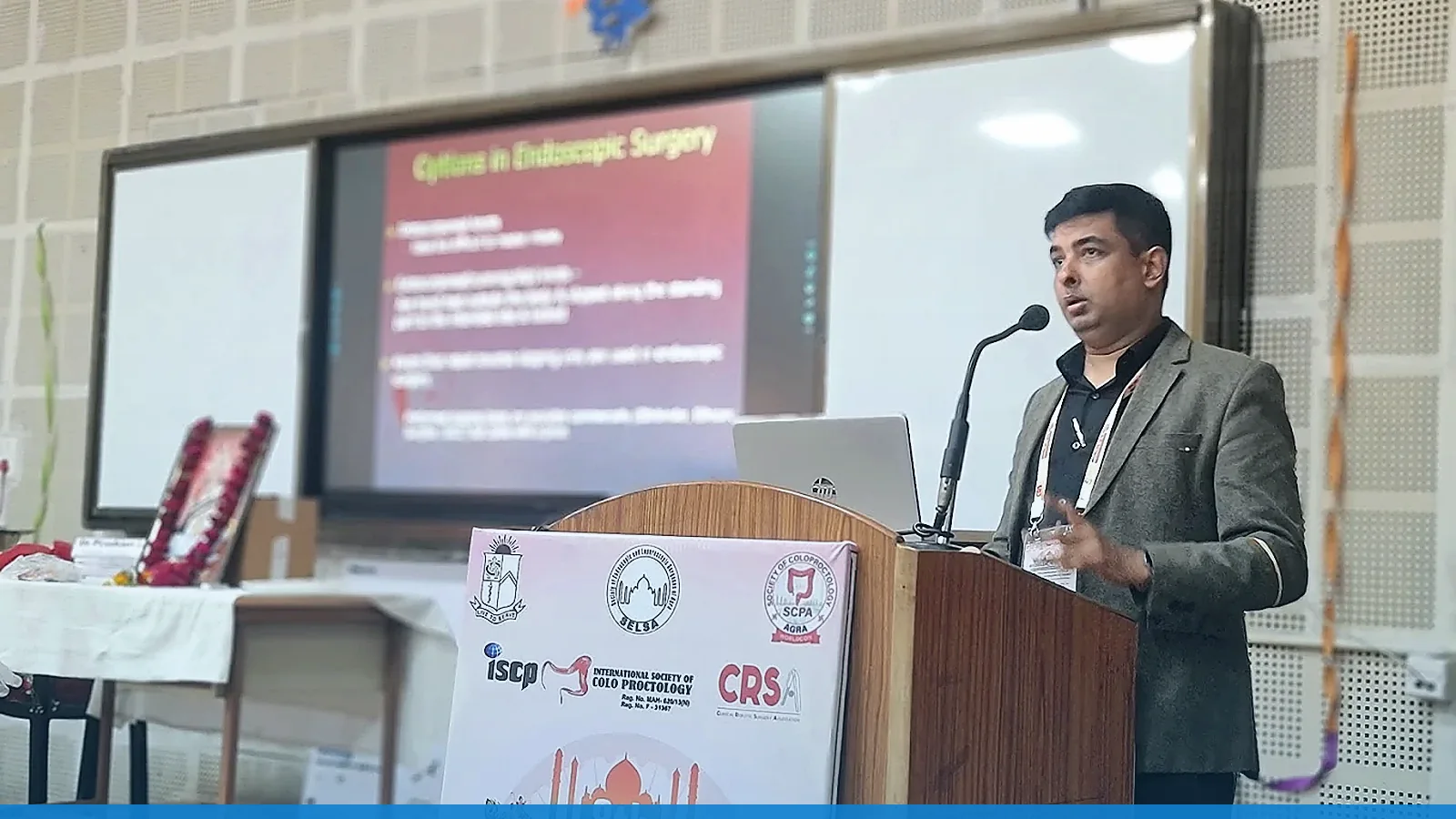
Practical points patients should clarify and arrange before a planned minimally invasive operation.
Open on YouTube (opens in a new tab)
Why diagnosis, expected benefit, alternatives and urgency should guide a decision about surgery.
Open on YouTube (opens in a new tab)
An introduction to hernia, available treatments and the limits of medicine for repairing the defect.
Open on YouTube (opens in a new tab)
Common facts about haemorrhoids and why symptoms and severity affect the treatment plan.
Open on YouTube (opens in a new tab)
A general explanation of cancer, possible warning symptoms and why staging matters to treatment planning.
Open on YouTube (opens in a new tab)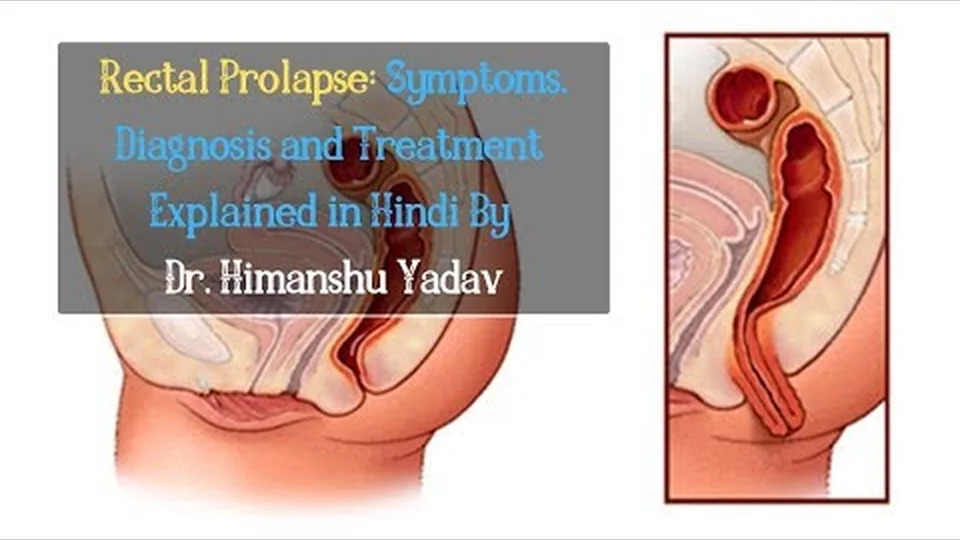
How rectal prolapse may present, how it is assessed and the broad treatment approaches.
Open on YouTube (opens in a new tab)
An overview of haemorrhoid symptoms, clinical evaluation and non-surgical or procedural care.
Open on YouTube (opens in a new tab)
How the hernia type, symptoms and examination findings shape a treatment discussion.
Open on YouTube (opens in a new tab)
Why glucose control, medicines and perioperative planning need individual review before gallbladder surgery.
Open on YouTube (opens in a new tab)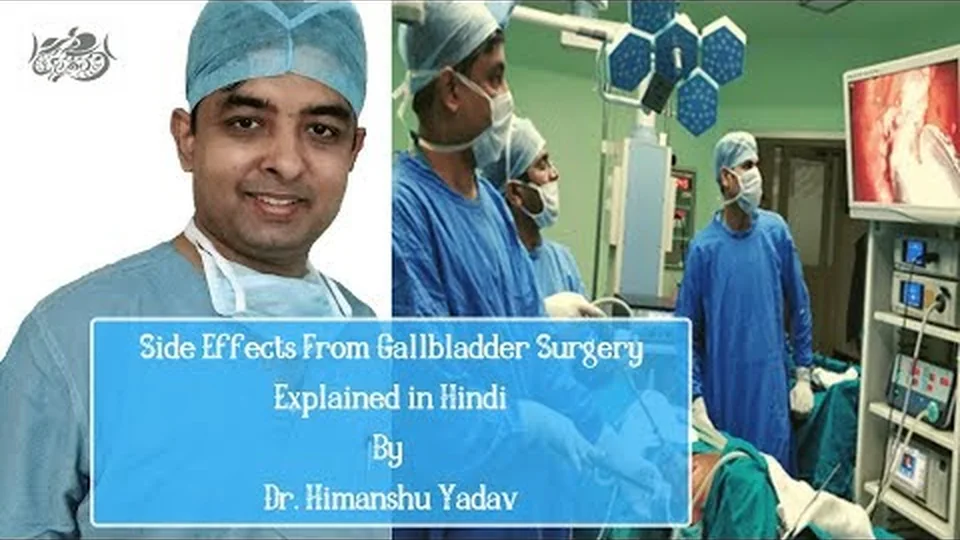
Expected recovery after cholecystectomy, digestive adjustment and symptoms that should be reviewed.
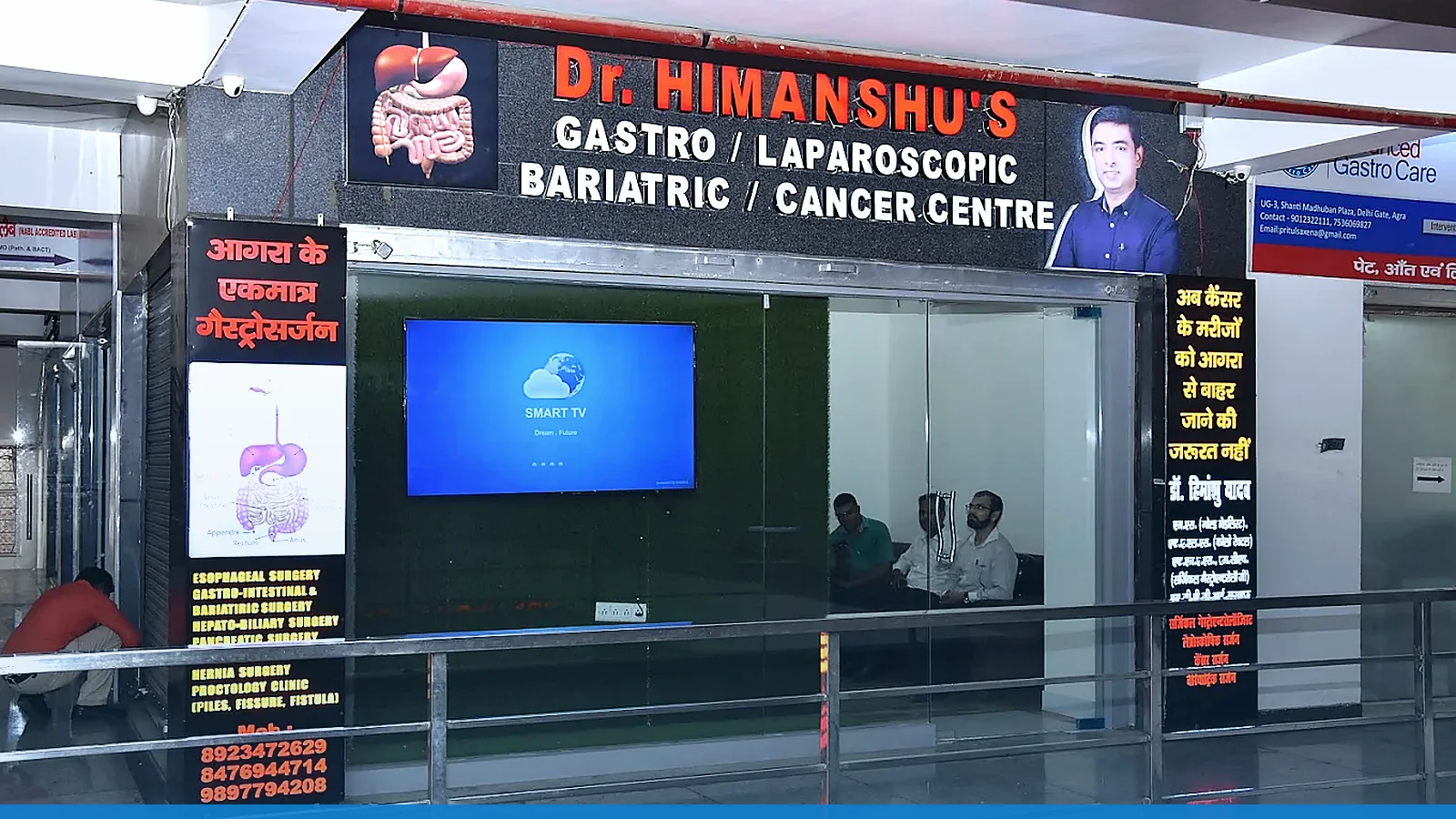
Open on YouTube (opens in a new tab)Find practical answers about appointments, reports, recovery, costs and the Agra clinic.
Browse FAQsA consultation is needed to review symptoms, examination findings and available reports before any treatment recommendation is made.