
According to the World Health Organization (WHO), colorectal cancer is the third most common type of cancer in the world, accounting for approximately 10% of all cases. It mainly affects older people, and usually he is diagnosed after the age of 50. However, more and more cases are being diagnosed in young adults.
Another important fact about colorectal cancer is that its incidence and impact can be significantly reduced by certain preventive measures, including:
Periodic inspection
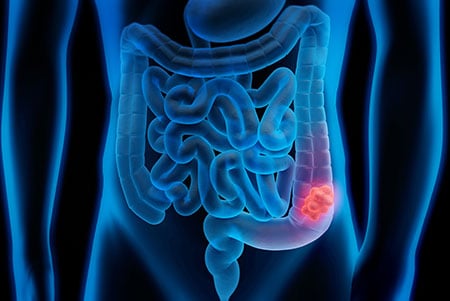 Colorectal cancer most often starts from abnormal growths (polyps) in the colon or rectum. In addition to detecting benign polyps and allowing them to be removed before they progress to cancer, screening tests can help treat colorectal cancer early, when more treatment options become generally available. can also be detected.
Tests that can be used to screen for colorectal cancer include:
- colonoscopy – Regular colonoscopies are one of the most effective ways to prevent colorectal cancer. A colonoscopy allows your doctor to identify and remove polyps and other abnormal tissue. The American Cancer Society recommends that average-risk adults have regular colonoscopies starting around age 50.
- Fecal occult blood test (FOBT) and fecal immunochemical test (FIT) – These non-invasive tests can detect blood in the stool. This may be a sign of colorectal cancer and requires a follow-up test, such as a colonoscopy.
- flexible sigmoidoscopy – This screening test is similar to a colonoscopy, but only examines the lower part of the colon. Sigmoidoscopy helps detect polyps and tumors in the rectum and sigmoid colon.
- CT colonography – Also known as virtual colonoscopy, this imaging test uses computed tomography (CT) to produce detailed images of the inside of the colon and rectum. CT colonography may be a good option for patients who cannot undergo a traditional colonoscopy.

healthy lifestyle
Through extensive research, scientists have identified a link between several controllable lifestyle habits and colorectal cancer. By adopting and maintaining a few positive habits, you can reduce your risk not only of colorectal cancer, but also of other potentially serious conditions, such as diabetes, cardiovascular disease, and other types of cancer. There is a gender. These include:
- ensure proper nutrition – Eating a diet rich in fruits, vegetables, whole grains, and high-fiber foods and low in red and processed meat can help reduce the risk of colorectal cancer.
- exercise regularly – Low-impact physical activity, such as brisk walking, cycling, and swimming, can help prevent colorectal cancer. Many experts recommend at least 150 minutes of moderate-intensity exercise per week.
- Achieving and maintaining a healthy weight – Being overweight or obese is a known risk factor for colorectal cancer. The most effective weight loss strategy is a combination of diet and exercise, which can further reduce cancer risk.
- Avoid or limit alcohol intake – Excessive consumption of alcoholic beverages is an established risk factor for colorectal cancer.
- avoid tobacco – Smoking and other forms of tobacco use directly increase your risk of cancer, but quitting can significantly reduce that risk.
Genetic testing and counseling
Approximately 5% of people who develop colorectal cancer have an inherited gene mutation associated with a familial cancer syndrome. The most common genetic syndromes associated with colorectal cancer are Lynch syndrome, also known as hereditary nonpolyposis colorectal cancer (HNPCC), and familial adenomatous polyposis (FAP).
Genetic testing and counseling can help identify individuals at increased risk of developing colorectal cancer and provide important information for physicians to consider when recommending an appropriate screening schedule.
Human papillomavirus (HPV) vaccination
The HPV vaccine is recommended to prevent certain types of HPV infections, including high-risk strains that can cause anal cancer, a type of colorectal cancer. The vaccine is usually given to adolescents, but it can also be given to young adults. Through a recent study, researchers found evidence that HPV vaccination reduces the incidence of anal cancer among young adults in the United States.
aspirin therapy
Some studies show that regular use of low-dose aspirin (81 mg per day) may reduce the risk of colorectal cancer, especially in people with a family history of colorectal cancer. is suggested. However, the decision to use aspirin for preventive purposes should be made under the guidance of a doctor who can explain the potential benefits, risks, and side effects.
Benefit from world-class treatment at Moffitt Cancer Center
With proper prevention strategies and early detection, the risk of colorectal cancer can be significantly reduced. If you would like to discuss your risk profile with an expert in Moffitt’s highly regarded gastrointestinal oncology program, please call 1-888-663-3488 or New patient registration form online. No introduction is required.